


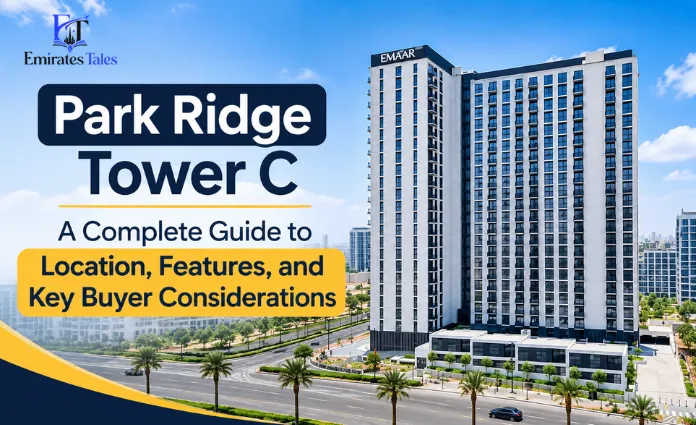

Park Ridge Tower C is a residential tower within a larger development that carries the “Park Ridge” name. If you’re researching it, you’re probably weighing a purchase, a rental, or an investment. You may also be comparing Tower C against other towers in the same project.
There’s one catch worth knowing upfront. Several real estate projects use the “Park Ridge” name across different cities and developers. That makes accurate, project-specific information harder to find than it should be.
This guide doesn’t recycle unverified listing claims. It shows you how to evaluate Park Ridge Tower C properly: what to check in the location, layouts, amenities, pricing, and long-term value, and where to find reliable answers. Use it as a working checklist alongside the developer’s official documents and your local real estate regulator’s records.
What Is Park Ridge Tower C?
Project Overview
Tower C is one building within a multi-tower residential project. Before anything else, pin down three basics:
- The developer: Who built it, how long they’ve operated, and which projects they’ve completed on time.
- The project scale: Total land area, number of towers, and total units. A 4-tower project feels very different from a 20-tower township.
- Tower C’s place in the layout: Is it near the main gate, the clubhouse, or the boundary road? Is it part of the first phase or a later one?
Phase matters more than most buyers realize. Later-phase towers often launch at higher prices but may benefit from amenities that are already built and running.
Tower C at a Glance
Ask the developer or sales office to fill in this quick-reference table. Then cross-check each item against the regulatory registration.
| Detail | What to Confirm |
| Number of floors | Official approved floor count |
| Units per floor | Affects privacy, lift wait times, and noise |
| Configurations | Unit types offered (e.g., 2 or 3 bedrooms) |
| Area range | Carpet area, not just super built-up area |
| Construction status | Under construction, ready to move in, or occupied |
| Possession date | Committed date in the agreement |
| Registration number | Verify on the regulator’s official portal |
How Tower C Differs From Other Towers
Towers in the same project are rarely identical. Compare Tower C on:
- Orientation and views: Does it face open green space, the clubhouse, a busy road, or another tower?
- Distance to facilities: Being closer to the clubhouse is convenient but can mean more foot traffic and noise.
- Floor plan variations: Some towers carry larger units or different layouts.
No tower is “best” for everyone. A family may value proximity to the play area, while a remote worker might prefer a quieter corner position.
Location and Neighborhood Context
Where Park Ridge Tower C Is Located
Location drives daily comfort and long-term value more than any other factor. Confirm the exact neighborhood, the main access road, and nearby landmarks.
Then figure out what kind of area it is:
- Established residential zone: Mature infrastructure and steady demand, often at higher prices.
- Growth corridor: Lower entry prices with upside potential, but more uncertainty.
- Mixed commercial area: Strong convenience, though possibly more traffic and noise.
Connectivity and Commute
Map the real travel times, not the ones in the brochure. Check distance and peak-hour commute to:
- Your workplace or the nearest major business district
- Metro, rail, or bus stations
- The airport
- Highways or ring roads
A practical tip: Run the route on a navigation app at 9 a.m. and 6 p.m. on a weekday. Marketing materials tend to quote off-peak times, and a “15-minute drive” can easily turn into 45.
Area Development Outlook
Upcoming metro lines, road widening, and new business parks can raise property values. Treat them as possibilities, not promises.
Check official government or transit authority timelines before you factor any future project into your decision. Infrastructure delays are common. A tower that only makes sense once a metro station opens carries extra risk.
Key Features of Park Ridge Tower C
Floor Plans and Unit Layouts
Always request the official floor plans. Then look past the total square footage and focus on how usable the space really is.
Understand the area terms:
- Carpet area: The actual usable floor space inside your walls.
- Built-up area: Carpet area plus wall thickness and balconies.
- Super built-up area: Built-up area plus a share of common spaces like lobbies and stairs.
The gap between carpet and super built-up area is called the “loading.” Higher loading means you pay for more space you can’t actually use.
Design details that affect daily life:
- Natural light in living rooms and bedrooms
- Cross-ventilation (windows on opposite walls)
- Balcony size and whether it’s usable or decorative
- Kitchen placement and storage
- Bedroom dimensions that fit a real bed and wardrobe
Construction Quality and Specifications
Ask for the specification sheet, and confirm it’s attached to your agreement. Key items include the structural system, earthquake resistance rating, flooring, bathroom fittings, windows, doors, and electrical wiring.
When you visit, look closely at:
- Finish quality on walls, joints, and tile edges
- Signs of seepage or dampness, especially on top floors
- Lift condition and speed
- How sturdy windows and doors feel
Model units are often built to a higher standard than actual flats, so inspect the real unit or a completed one in the same tower if you can.
Safety and Building Systems
Confirm what Tower C actually has, not what the overall project promises:
- Fire detection, sprinklers, and emergency exits
- Power backup coverage (full home or common areas only)
- Water source, storage, and supply hours
- Number of lifts per floor
- Security setup: CCTV, gated access, intercom, and visitor management
Amenities and Lifestyle Benefits
On-Site Amenities
Developers often advertise long amenity lists. Sort them into categories and confirm which ones exist today versus which are planned:
- Fitness and recreation: Gym, pool, sports courts, jogging track
- Family and community: Children’s play area, clubhouse, multipurpose hall
- Green spaces: Landscaped gardens, open lawns, tree cover
- Convenience: On-site shops, visitor parking, EV charging
What Daily Life Feels Like
A brochure can’t tell you what living somewhere is like. Residents can. Spend time on-site and ask current residents about:
- Community mix: Mostly families, young professionals, or retirees?
- Noise levels: From roads, construction in later phases, or common areas
- Crowding: Is the gym packed every evening? Is the pool usable on weekends?
- Maintenance: How quickly are complaints handled?
Residents are usually candid about water supply, lift breakdowns, and how responsive the management is. Those details matter more than a fancy lobby.
Shared vs. Exclusive Amenities
Find out which facilities serve the whole project and which are reserved for Tower C. A single clubhouse shared by thousands of residents will feel very different from one shared by a few hundred.
Nearby Amenities and Social Infrastructure
Map what’s within a 3–5 km radius of Tower C:
- Education: Schools, preschools, and colleges, plus realistic school-run times
- Healthcare: Hospitals with emergency care, clinics, and 24-hour pharmacies
- Shopping and dining: Supermarkets, malls, local markets, and restaurants
- Everyday essentials: Banks, ATMs, fuel stations, and post offices
Check emergency care access first. Knowing how far the nearest hospital emergency room is matters more than any amenity on the brochure.
Considerations for Buyers and Investors
Pricing and Value Factors
Prices within Tower C will vary based on:
- Floor level: Higher floors often cost more for views and less street noise.
- View and orientation: Units facing green space or open areas usually carry a premium.
- Unit size and layout: Corner units and larger configurations cost more.
Quoted prices change often, so confirm current rates with the developer and compare them against recent sale records in the area.
Watch for costs beyond the base price:
- Parking charges
- Club membership fees
- Maintenance deposit
- Registration and stamp duty
- Applicable taxes
These extras can add a meaningful percentage to your total outlay. Ask for an all-inclusive cost sheet in writing.
Rental Potential and Resale Outlook
If you’re investing, study who rents in the area. Proximity to offices, transit, and universities tends to support steady rental demand.
Resale value depends on connectivity, the developer’s reputation, how well the project is maintained, and how many competing projects are coming up nearby. Base your expectations on actual local rents and resale data, not projections from sales teams.
Ownership and Ongoing Costs
Factor in monthly maintenance (often charged per square foot), property tax, and routine upkeep. Also find out who manages the property: the developer, a third-party facility manager, or a residents’ association. Well-run management protects both your comfort and your resale value.
Practical Checklist Before You Buy or Rent
Save this list and work through it before signing anything:
- Verify regulatory registration and approval documents on the official portal.
- Confirm the land title and check for any legal disputes.
- Compare the carpet area in the agreement against the brochure.
- Check the possession timeline and the developer’s delivery record.
- Visit at different times of day to assess traffic, noise, and light.
- Talk to current residents about maintenance and water supply.
- Review the payment plan and penalty clauses for delays on both sides.
- Inspect the actual unit, not just the model flat.
- Confirm what’s included in the price and what costs extra.
- Get an independent legal review before you sign.
Pros and Cons of Park Ridge Tower C
Every tower has strengths and trade-offs. Use this framework to build your own balanced view once you’ve verified the details:
| Potential Pros | Potential Cons |
| Access to shared project amenities | Crowding if facilities serve many towers |
| Gated community with organized security | Peak-hour traffic on access roads |
| Possible upside if area infrastructure grows | Future projects may be delayed |
| Choice of layouts and floor levels | Extra costs can raise the true price |
| Established developer (if track record checks out) | Construction delays in later phases |
The right answer depends on your budget, commute, and plans. A strong fit for a long-term family buyer may be a weak fit for a short-term investor.
Final Thoughts
Park Ridge Tower C may suit working professionals, families, or long-term investors, depending on its exact location, layouts, and pricing. The tower itself is only part of the picture. The developer’s record, the neighborhood’s direction, and the quality of ongoing management matter just as much.
Before you commit, verify the registration, compare carpet area across documents, and talk to people who already live there. Visit more than once, read the agreement carefully, and get independent legal advice. A careful decision now saves years of frustration later.
Frequently Asked Questions About Park Ridge Tower C
1. Where is Park Ridge Tower C located?
Since several projects share the “Park Ridge” name, confirm the exact city, neighborhood, and developer first. Check the address on the official registration record and visit in person to see the access roads and surroundings for yourself.
2. Who is the developer of Park Ridge Tower C?
The developer’s name appears on the project’s regulatory registration and in the sale agreement. Once you have it, research their completed projects, delivery history, and any past legal disputes or customer complaints.
3. What apartment configurations are available in Tower C?
Configurations vary by project, so request the official floor plans from the developer. Compare unit types by carpet area, room sizes, light, and ventilation rather than by total square footage alone.
4. Is Park Ridge Tower C ready to move in?
Check the construction status and committed possession date on the regulator’s portal. Ready-to-move units should have an occupancy or completion certificate. Under-construction units should list a clear possession date in the agreement.
5. What is the price range of apartments in Park Ridge Tower C?
Prices depend on floor level, view, unit size, and current market conditions. Get a written, all-inclusive cost sheet from the developer and compare it with recent sale records in the area to judge fair value.
6. Is Park Ridge Tower C registered with the regulatory authority?
Don’t rely on verbal assurances. Search the project name on your local real estate regulator’s official website, note the registration number, and confirm the approved plans, timelines, and developer details match what you’ve been told.
7. What amenities do residents of Tower C have access to?
Most multi-tower projects offer shared facilities like a gym, pool, clubhouse, and gardens. Confirm which amenities are operational, which are still planned, and which are exclusive to Tower C versus shared across the project.
8. How well connected is Park Ridge Tower C to public transport?
Map the nearest metro, rail, and bus stops from the exact address. Test your commute during weekday peak hours, since real travel times are often much longer than those listed in marketing materials.
9. What are the monthly maintenance charges?
Maintenance is usually charged per square foot of area each month. Ask the developer or facility manager for the current rate, what it covers, and whether an upfront maintenance deposit is required at possession.
10. Is Park Ridge Tower C a good investment?
It depends on location, price, rental demand, and the developer’s track record. Study actual local rents and resale prices, weigh infrastructure plans cautiously, and remember that no property guarantees returns.