





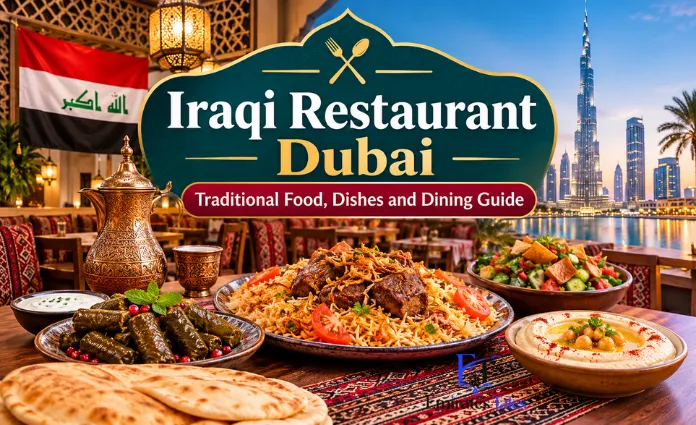

Dubai is home to people from many different cultures, and its food scene reflects this diversity. Among the many cuisines available, Iraqi food offers something special for people who enjoy traditional recipes, grilled dishes, rich rice meals, and authentic Middle Eastern flavours. Whether you are interested in trying famous Iraqi masgouf, enjoying a plate of quzi, or exploring traditional dolma, an Iraqi restaurant in Dubai can introduce you to a different side of regional cuisine.
Iraqi food is known for its generous portions, carefully prepared ingredients, and strong connection with family traditions. Many dishes are cooked slowly or prepared over charcoal to develop their flavour. This guide explores popular Iraqi dishes, what to expect when dining at an Iraqi restaurant in Dubai, and how to choose a suitable place for your next meal.
What Makes Iraqi Cuisine Special?
Iraqi cuisine has a long history influenced by the country’s geography, agriculture, and different cultural traditions. Its food combines ingredients and cooking styles found across the Middle East, while maintaining its own identity through traditional recipes and preparation methods.
Rice, lamb, chicken, fish, vegetables, herbs, and spices are common ingredients in Iraqi cooking. Rice is especially important and is often served with meat, vegetables, or rich sauces. Grilled meat and fish are also popular, while stuffed vegetables and slow-cooked dishes show the importance of home-style cooking.
Traditional Ingredients and Cooking Methods
Iraqi cooking uses simple ingredients to create meals with plenty of flavour. Some common ingredients include:
- Rice: A key part of many traditional meals, often served with lamb, chicken, or vegetables.
- Lamb and chicken: Used in grilled dishes, rice meals, stews, and special occasion recipes.
- Fish: Particularly important in the preparation of traditional masgouf.
- Vegetables: Aubergines, courgettes, peppers, tomatoes, and onions are used in several traditional dishes.
- Herbs and spices: Ingredients such as black pepper, cinnamon, cardamom, turmeric, and dried lime may be used depending on the recipe.
Different cooking methods give Iraqi food its variety. Some dishes are grilled over charcoal, while others are slowly cooked in pots to develop a deeper flavour. Stuffing vegetables with rice and seasoned fillings is another well-known cooking tradition.
The Influence of Iraqi Food Culture
Food plays an important role in Iraqi hospitality. Family meals, celebrations, and gatherings often involve several dishes served together. Large rice platters, grilled meat, fresh salads, and traditional sides are common features of shared dining.
This culture of sharing is also reflected in Iraqi restaurants. Customers may find meals designed for individuals as well as larger platters suitable for families and groups.
Popular Iraqi Dishes to Try in Dubai
One of the best ways to explore Iraqi cuisine is by trying a few traditional dishes. Menus vary between restaurants, but the following options are worth looking for when visiting an Iraqi restaurant in Dubai.
Masgouf – Iraq’s Famous Grilled Fish
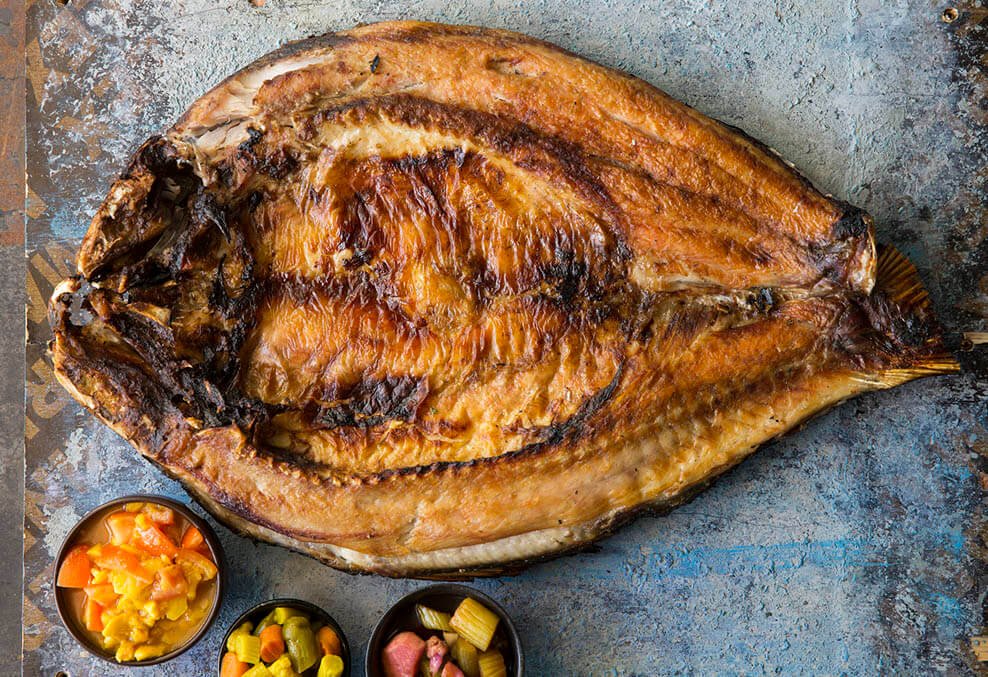
Masgouf is one of the most recognised dishes in Iraqi cuisine. It is traditionally prepared using freshwater fish, commonly carp, which is cleaned, seasoned, and cooked slowly over an open wood fire.
Unlike ordinary grilled fish, traditional masgouf is often positioned near the fire rather than placed directly over high heat. This method allows it to cook gradually while developing a smoky flavour and crisp outer surface.
The fish is commonly served with rice, onions, tomatoes, lemon, and bread. Its preparation and presentation make it a popular choice for people who want to experience a traditional Iraqi meal.
If you are ordering masgouf for the first time, ask the restaurant about the type of fish, preparation method, portion size, and cooking time. Traditional preparation can take longer than ordinary grilled dishes.
Iraqi Quzi
Quzi is a popular rice and meat dish associated with Iraqi celebrations and family gatherings. It generally consists of tender lamb served over seasoned rice, with some versions featuring nuts, raisins, or other garnishes.
The lamb is usually cooked slowly until it becomes soft and easy to separate. The rice absorbs the flavour of the meat and seasonings, creating a filling and satisfying meal.
Quzi is a good option for customers who enjoy traditional rice dishes and want something more substantial than a standard grilled meal. Depending on the restaurant, it may be available as an individual serving or a larger platter for sharing.
Iraqi Kebabs
Iraqi kebabs are another popular choice for meat lovers. They are commonly prepared using seasoned minced meat shaped onto skewers and grilled over charcoal.
The cooking method gives the kebabs a smoky flavour while keeping the inside tender. They may be served with Iraqi bread, rice, grilled tomatoes, onions, fresh herbs, and salad.
Kebabs are a practical option for customers who want to enjoy Iraqi flavours without ordering a large traditional platter. They can also be combined with other grilled items for a shared meal.
Dolma and Other Traditional Dishes
Dolma is a well-known dish across several Middle Eastern cuisines, including Iraq. Iraqi-style dolma often features vegetables such as vine leaves, aubergines, courgettes, onions, and peppers filled with seasoned rice and other ingredients.
The stuffed vegetables are arranged in a pot and cooked slowly with a flavourful liquid. The result is a soft, rich dish with a balance of herbs, seasoning, and natural vegetable flavours.

Other traditional Iraqi dishes worth exploring include:
- Tashreeb: Bread served with a rich meat or vegetable-based broth.
- Kubba: A family of dishes made with a shell of bulgur or rice-based dough and a seasoned filling.
- Biryani: A rice dish with meat, vegetables, and spices, with recipes varying between restaurants.
- Iraqi-style stews: Slow-cooked meals prepared with meat, vegetables, and sauces.
Not every restaurant serves all these dishes every day, so it is worth checking the menu before visiting.
What to Expect at an Iraqi Restaurant in Dubai
Iraqi restaurants in Dubai may range from casual dining spots to larger restaurants designed for families and groups. While the atmosphere and facilities differ, the focus is generally on traditional food, generous servings, and hospitality.
Many restaurants offer a combination of grilled items, rice dishes, soups, salads, and traditional specialities. Some may have a modern interior, while others use traditional décor and serving styles.
Family dining is an important part of the experience. Larger tables and shared platters can make these restaurants suitable for group meals. Customers may also find individual portions for a quick lunch or dinner.
Food presentation can vary depending on the dish. Masgouf may be served as a whole grilled fish, while quzi and other rice dishes may arrive on large platters. Fresh salads, pickles, sauces, and bread are often served alongside the main meal.
If you have a particular dish in mind, ask whether it is freshly prepared or available as a daily special.
How to Choose the Right Iraqi Restaurant in Dubai
Finding a suitable Iraqi restaurant is not only about choosing a place with attractive pictures or a large menu. Food quality, traditional preparation, location, and customer experience all matter.
Check the Menu and Food Variety
Start by checking whether the restaurant offers recognisable Iraqi dishes. Masgouf, quzi, Iraqi kebabs, and dolma can help you understand whether the menu focuses on Iraqi cuisine.
Some restaurants serve a wider selection of Middle Eastern food, while others specialise in Iraqi recipes. Choose according to the type of dining experience you want.
Consider Food Quality and Authenticity
Authentic food is often reflected in the ingredients and preparation methods. For example, traditional masgouf requires a different cooking process from ordinary grilled fish, while quzi depends on properly prepared meat and seasoned rice.
Look for clear menu descriptions and recent customer feedback about food quality, flavour, freshness, and portion sizes.
Read Recent Customer Reviews
Online reviews can help you understand what other customers experienced. Instead of focusing only on the overall rating, read comments about:
- Food taste and freshness.
- Service and staff behaviour.
- Restaurant cleanliness.
- Portion sizes and value for money.
- Waiting time and order accuracy.
Recent reviews are particularly useful because restaurant quality and service can change over time.
Compare Location and Dining Options
Dubai is a large city, so location can make a difference when choosing where to eat. Consider how far the restaurant is from your home, hotel, or workplace.
Also check whether it offers parking, family seating, takeaway, or delivery. These details can make your visit easier, especially if you are planning a meal with several people.
Best Occasions to Enjoy Iraqi Food in Dubai
Iraqi cuisine can suit different dining occasions. Its combination of rice meals, grilled food, and shared platters makes it a good option for people who enjoy eating together.
Family dinners: Large rice dishes and traditional platters can be shared among family members. Quzi and other slow-cooked meals are worth considering for this type of gathering.
Weekend meals: A weekend visit can be a good opportunity to try dishes that require more preparation, such as masgouf.
Group gatherings: Kebabs, salads, bread, and mixed platters give groups several options to share.
Business lunches: Restaurants offering individual rice meals and grilled dishes may provide a suitable setting for a casual business lunch.
Trying something new: If you regularly eat common Arabic or international food, Iraqi cuisine offers an opportunity to explore different recipes and cooking traditions.
Iraqi Restaurant Dining : Dine-In, Takeaway and Delivery
Customers in Dubai may be able to enjoy Iraqi food through dine-in, takeaway, or home delivery, depending on the restaurant.
Dine-in is a good choice when you want to enjoy the complete restaurant experience. It also allows you to ask staff about traditional dishes, portion sizes, and preparation methods before ordering.
Takeaway is useful for people who prefer eating at home or at work. Delivery offers another convenient option, particularly for customers who do not want to travel.
However, some dishes are better enjoyed shortly after preparation. Grilled fish and charcoal kebabs, for example, may lose some of their texture during a long delivery journey. If ordering these dishes, check the estimated delivery time and packaging arrangements.
What Should You Know Before Visiting an Iraqi Restaurant?
A little planning can make your dining experience more enjoyable. Before visiting an Iraqi restaurant in Dubai, consider these points:
- Check the restaurant’s current opening hours and location.
- Review the menu to see whether your preferred dishes are available.
- Ask about masgouf preparation time if you plan to order it.
- Confirm portion sizes and prices before ordering large platters.
- Make a reservation if you are visiting with a large group.
- Ask about ingredients if you have food allergies or dietary requirements.
- Confirm halal information directly with the restaurant if it is important to your dining choice.
These simple checks can help you avoid unnecessary waiting and choose meals that suit your preferences.
Why Try Iraqi Cuisine in Dubai?
Dubai offers a wide range of international food, but Iraqi cuisine provides a different experience through its traditional cooking methods and regional flavours. From smoky masgouf to tender lamb quzi and flavourful dolma, there are several dishes worth exploring.
It is also a cuisine that brings people together. Shared platters, generous rice meals, grilled food, and traditional hospitality make Iraqi dining suitable for families, friends, and anyone interested in discovering regional food traditions.
Whether you are trying Iraqi food for the first time or already enjoy these recipes, exploring an Iraqi restaurant in Dubai can add variety to your dining experience.
Final Thoughts
Exploring Iraqi cuisine in Dubai is a good way to discover the food traditions of Iraq without travelling far. Its famous grilled fish, slow-cooked lamb, rice dishes, and stuffed vegetables offer plenty of variety for different tastes and dining occasions.
When choosing an Iraqi restaurant, focus on the menu, food quality, customer feedback, location, and dining facilities. Taking a little time to compare these details can help you find a place that offers the kind of traditional Iraqi meal you want to enjoy.
FAQ’s
What is the most famous Iraqi dish to try in Dubai?
Masgouf is one of the most famous Iraqi dishes. It is traditionally prepared using freshwater fish cooked slowly over an open wood fire. Quzi, Iraqi kebabs, and dolma are also popular choices.
What is masgouf, and how is it prepared?
Masgouf is a traditional Iraqi grilled fish dish, commonly made with carp. The fish is seasoned and cooked slowly near an open wood fire, giving it a smoky flavour and crisp exterior.
Do Iraqi restaurants in Dubai serve halal food?
Many Iraqi restaurants may offer halal food, but customers should confirm directly with the restaurant if halal certification or specific sourcing information is important to them.
What is quzi in Iraqi cuisine?
Quzi is a traditional dish made with slow-cooked lamb served with seasoned rice. It may also include nuts, raisins, and other garnishes, depending on the recipe.
Are Iraqi restaurants in Dubai suitable for families?
Many Iraqi restaurants welcome families and offer shared platters or larger tables. However, it is best to check seating arrangements, facilities, and reservation options before visiting.
What vegetarian Iraqi dishes can I try?
Dolma can be a suitable option when prepared with a vegetable and rice filling. Some restaurants may also offer vegetable stews, salads, soups, and other meat-free dishes. Always confirm the ingredients before ordering.
Do Iraqi restaurants in Dubai offer takeaway and delivery?
Some Iraqi restaurants provide takeaway and delivery services. Availability depends on the restaurant and its location, so check its website or delivery listing before placing an order.
Is Iraqi food spicy?
Iraqi food is not always very spicy. Many dishes focus on herbs, seasoning, grilled flavours, and slow-cooked ingredients. The level of heat depends on the recipe and restaurant.
What should I order at an Iraqi restaurant for the first time?
You could start with Iraqi kebabs, quzi, or dolma. If you enjoy fish and have enough time for a traditional preparation, masgouf is another excellent dish to explore.
How can I find an authentic Iraqi restaurant in Dubai?
Look for restaurants that offer traditional Iraqi dishes such as masgouf, quzi, kebabs, and dolma. Read recent customer reviews, check menu details, and ask about traditional preparation methods before choosing a restaurant.