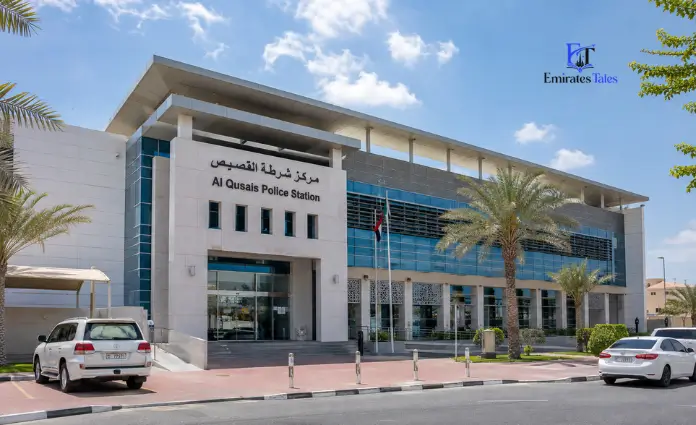






Spend half an hour looking out over the water in Dubai, and you’ll quickly realize how chaotic it could be without someone keeping watch. In the span of a single afternoon, you have wooden abras ferrying commuters across Dubai Creek, old-school cargo dhows loading up for regional ports, massive container ships easing into Jebel Ali, and weekenders pushing rented jet skis to the limit right outside Dubai Marina. Keeping order across all of that water falls on one specific headquarters: the Ports Police Station Dubai.
If you live in Dubai, you probably know it better by its neighborhood name, Al Mina Police Station. It’s actually one of the oldest branches of the Dubai Police General Headquarters, dating all the way back to 1971—the same year the UAE was formed. While standard neighborhood precincts handle landlocked residential blocks and highway traffic, this station has a double workload. It manages day-to-day policing for the coastal neighborhoods around Port Rashid, while also acting as the command center for everything happening up to seven nautical miles out into the Arabian Gulf.
Most people don’t think about the Ports Police until something goes wrong—like losing a passport on Kite Beach, scraping a boat hull in a tight marina slip, or needing a clearance certificate for a port job. If you need to deal with the station, here is a practical, straightforward look at what they actually do, what you can handle online from your phone, and how to navigate a visit in person.
The Role and Jurisdiction of Ports Police Station
To understand why a single police station has so much authority, you have to look at Dubai’s history. Back in the late 1960s and early 1970s, the late Sheikh Rashid bin Saeed Al Maktoum made a massive bet on shipping by dredging Dubai Creek and building Port Rashid. As international cargo ships started pouring in, the city needed a specialized police force that understood maritime law, cargo security, and sea rescue. The Ports Police Station was opened in 1971 to fill that exact gap.
Decades later, after Dubai built artificial islands and carved new canals right through the city, the station’s beat looks very different. Today, their patrol map covers four main territories:
- Working Ports & Shipyards: Port Rashid (Mina Rashid), Jebel Ali Port, Dubai Maritime City, and the massive repair yards at Drydocks World.
- Inland Waterways: The entire length of Dubai Creek, the Dubai Water Canal, and the navigable stretches running through Business Bay.
- Man-Made Islands: The waters surrounding Palm Jumeirah, Palm Jebel Ali, Dubai Islands (formerly Deira Islands), and the World Islands out in the gulf.
- Marinas & Public Beaches: Dubai Marina, Dubai Harbour, the JBR beachfront, Kite Beach, Sunset Beach, and Al Mamzar Lagoon.
Because maritime law is a tangle of local rules and international treaties, the officers here don’t work in a vacuum. On any given day, they are sharing radio channels with the Dubai Maritime Authority (DMA) to check boat licenses, coordinating with Dubai Customs and DP World to clear commercial cargo, and handing off deep-water cases to the UAE Coast Guard when an incident drifts past local waters into federal territory.
Key Responsibilities: How Ports Police Keep Dubai’s Waters Safe
If you’ve spent a Friday afternoon at JBR or La Mer, you’ve almost certainly seen the station’s blue-and-white patrol boats idling just beyond the swim buoys. But keeping an eye on beachgoers is only a small fraction of the job. The station’s daily operations break down into four main areas.
1. 24/7 Marine Search and Rescue (SAR)
The Arabian Gulf looks flat and calm from a hotel balcony, but anyone who spends time on the water knows how fast the weather turns. When seasonal Shamal winds kick up, calm water can turn into choppy two-meter swells in under twenty minutes.
To keep response times down, the Maritime Rescue Department doesn’t keep all of its boats tied up at the main Port Rashid headquarters. Instead, they station rescue crews at nine different marine points up and down the coast, from Al Mamzar down to Jebel Ali. These teams include Police Frogmen (specialized search-and-recovery divers) and marine paramedics. Depending on the call, they launch radar-equipped pursuit boats, amphibious craft, or rescue jet skis that can thread through shallow rocky breakwaters to pull tired swimmers out of rip currents.
2. Maritime Law Enforcement & Anti-Smuggling
Commercial ports are busy borders. Thousands of crew members, passengers, and shipping containers cycle through Dubai’s docks every week. Officers from the Ports Police work directly alongside customs officials to board incoming cargo vessels and traditional wooden dhows.
Their job on the docks is straightforward: stop contraband before it hits the streets, check crew manifests for undocumented entries, and make sure ships aren’t docking without clearance. They also act as the local law when a crime happens aboard a ship anchored in Dubai waters—stepping in to investigate thefts, physical fights among crew members, or disputes where commercial sailors have been left stranded without pay.
3. Marine Traffic Management & Environmental Protection
On a sunny winter weekend, the mouth of Dubai Marina and the channels around the Palm get as congested as Sheikh Zayed Road at rush hour. You have commercial tour ferries, private 80-foot yachts, wakeboarders, and first-time jet skiers all fighting for the same strip of water.
Ports Police patrols act as traffic cops on the water. They pull over vessels speeding in no-wake zones, check that captains are carrying valid DMA licenses, and push reckless jet skiers away from family swimming zones. When two boats collide or a yacht runs aground on a sandbar, marine traffic investigators from the station come out to photograph the scene, figure out who broke navigational right-of-way rules, and write up the official report you’ll need for your marine insurance company. They also keep a strict eye out for vessels illegally pumping dirty bilge water, dumping fuel, or dropping heavy anchors onto protected coral reefs.
4. Securing Coastal Events & Cruise Tourism
Between October and April, cruise liners bring hundreds of thousands of tourists directly into Mina Rashid and Dubai Harbour. The station handles dockside security for those terminals. You’ll also see their boats forming safety perimeters during major water events like the Dubai International Boat Show, offshore powerboat races, and the historic Al Gaffal Dhow Race.
Public Services Offered at the Station
Here is something that trips up a lot of newcomers: you don’t need to own a boat to use the Ports Police Station.
While it is the headquarters for marine operations, the building on Jumeirah Street also serves as the regular neighborhood police station for the terrestrial areas of Al Mina, Al Hudaiba, Al Raffa, and the northern stretch of Jumeirah 1. Whether your problem happened three miles out at sea or in a supermarket parking lot down the street, you can walk in to handle standard paperwork:
- Marine Accident Reports: If you bump another boat while docking or get into a scrape on a jet ski, repair yards won’t touch your craft—and insurers won’t pay out—without an official incident report from this station.
- Filing Criminal Complaints: Residents and local businesses in the Al Mina district come here to report theft, bounced checks, online scams, property damage, or physical altercations.
- Lost Item Certificates: Tourists lose things at the beach and on cruise ships every day. If your passport, Emirates ID, phone, or watch goes missing on the sand or during a yacht charter, you can get the official police loss report required by embassies and travel insurers.
- Police Clearance (Good Conduct) Certificates: If you are a seafarer, a port logistics worker, or a resident applying for a new job or visa, you can apply for your criminal background check here.
- Road Traffic Services: Caught in a minor car accident on Al Mina Road, Jumeirah Street (D94), or inside the Port Rashid cargo gates? The station’s traffic counter handles terrestrial road reports and fine payments.
- Event & Night-Work Permits: Production crews filming on the water, event companies setting up beach festivals, and commercial diving teams come here to get their safety clearances signed off.
- Help for Cruise Passengers & Ship Crews: The station has multilingual officers who regularly help shore-leave sailors and international cruise passengers deal with lost travel papers or medical emergencies.
Smart Services & Innovation in Maritime Policing
Dubai Police has spent years trying to get people out of physical waiting rooms, and the Ports Police Station is no exception. Unless an officer specifically asks you to come down in person to give a statement, you can handle about 90% of routine requests from your phone.
The “Sail Safely” (Abhir Bi Aman) Service
If you captain a private boat, rent out yachts, or go out fishing at night, the Sail Safely tool inside the standard Dubai Police smart app is non-negotiable. Before you untie from the dock, you open the app and punch in a few quick details:
- Your boat’s registration number.
- How many people are on board.
- Which marina you’re leaving from, where you plan to anchor (like Moon Island or the World Islands), and what time you expect to be back.
Once you hit start, the system tracks your trip via GPS. If a sudden sandstorm or high wind warning rolls in, the app pings your phone. It also warns you if you accidentally drift into restricted commercial shipping lanes or military zones. Best of all, if your engine dies, you start taking on water, or you simply don’t return by your logged deadline, hitting the SOS button sends your exact coordinates straight to the marine rescue boats. Rescuers don’t have to waste hours searching empty grid squares—they drive straight to your pin.
Drones, Robot Lifebuoys & The Floating SPS
On the hardware side, the station uses thermal-imaging drones to scan dark water during night rescues and carries remote-controlled motorized lifebuoys on its patrol boats. Instead of a rescue swimmer jumping into rough swells and swimming 100 meters to a panicking person, an officer can steer a motorized U-shaped float out to the victim at high speed from the beach or boat deck.
For people spending time out around the World Islands, Dubai Police even built a Floating Smart Police Station (SPS). It’s an unmanned, solar-powered floating hub anchored offshore. You can pull your boat right up to the dock, walk inside, and use an interactive kiosk to file a report, log a lost item, or speak live on a video screen with an officer in multiple languages—24 hours a day, with zero human staff on site.
Location, Operating Hours & Contact Directory
If you do need to visit the physical building—say, to inspect an impounded jet ski, sit down with an investigator, or sort out a complicated port clearance—here are the exact details you need.
| Information Category | Verified Details |
| Official Name | Ports Police Station (commonly called Al Mina Police Station) |
| Physical Address | D94 Jumeirah Street, Al Mina (Madinat Dubai Al Melaheyah), right next to the Port Rashid entrance, Dubai |
| Operating Hours | 24/7 for emergencies and the Smart Police Station (SPS) kiosk. Standard administrative desks run Monday–Thursday (7:30 AM – 3:30 PM) and Friday (7:30 AM – 12:00 PM) |
| Direct Station Phone | +971 4 606 1600 |
| Emergency Number | 999 (Use this only for active emergencies on land or water) |
| Non-Emergency Line | 901 (Use this for general questions, document follow-ups, and non-urgent help) |
| Official Email | mail@dubaipolice.gov.ae |
| Website | www.dubaipolice.gov.ae |
Getting There by Car or Public Transit
- Driving: The station sits right where Jumeirah Street (D94) curves north and turns into Al Mina Road, just outside the main gates of Port Rashid and Dubai Maritime City. There is a visitor parking lot right out front.
- By Metro: There is no metro stop within easy walking distance (especially in summer heat). Your best bet is taking the Green Line to Al Ghubaiba Metro Station or the Red Line to Max Metro Station (Al Jafiliya), then hopping in a cab for an 8-to-10-minute ride to the station doors.
- By Bus: RTA buses run up and down Al Mina Road regularly. Routes 8, 9, C9, and X13 all drop off near the Department of Ports & Customs stops, which will leave you a short walk from the front gate.
Three Quick Tips Before You Head Down
- Skip the Drive for Lost Passports: If you lost your bag or passport at the beach, don’t waste two hours in traffic heading to Al Mina. Open the Dubai Police app, apply for a Lost Item Certificate, pay the small administrative fee, and the official PDF report will land in your email inbox. Embassies accept the digital version without issue.
- Bring Your Boat Papers: If you are going in to report a marine accident, the officer at the desk is going to ask for four things: your Emirates ID (or passport), your DMA marine driving license, the boat’s registration card (Mulkiya), and clear photos of the damage. Having those ready on your phone or printed out will cut your wait time in half.
- Keep a Shirt and Pants in the Beach Bag: It’s easy to forget when you’re coming straight off a yacht charter or the beach, but the Ports Police Station is a formal UAE government building. You will be turned away at the security desk if you walk in wearing board shorts, a bikini top, or flip-flops with beachwear. Always cover your shoulders and knees before walking inside.
Frequently Asked Questions (FAQs)
1. Should I dial 999 or 901 for a problem on the water?
Call 999 if someone is in danger right now—like a boat taking on water, a swimmer caught in a current, an engine fire, or a jet ski crash with injuries. Call 901 if everyone is safe on dry land and you just need to ask about paperwork, check on an old report, or ask a question about marine rules.
2. Is the Ports Police Station open on weekends and public holidays?
Yes. Police operations never shut down. Emergency dispatch, duty officers, and the self-service Smart Police Station (SPS) kiosk at the entrance are open 24 hours a day, 365 days a year, including Saturdays, Sundays, and Eid holidays.
3. What is the exact process if I get into a boat or jet ski accident?
First, check that everyone is okay and wearing a life jacket. If there are injuries or a boat is sinking, call 999 or hit the SOS button in the Dubai Police app immediately. If it’s just a minor fiberglass scrape at the dock with no injuries, tie the boats up safely and log the incident through the Dubai Police app or at the Ports Police Station so you have the legal paperwork for your insurer and boatyard.
4. Do I really need to use the “Sail Safely” app before taking my boat out?
Yes, you should make it a habit every single time you leave the berth—and for many commercial charters, logging the trip is mandatory. It takes two minutes to enter your route, it’s completely free, and if your battery dies five miles offshore, it’s the fastest way for marine rescue to find you.
5. I’m a tourist and lost my passport on the beach. Can this station help me?
Yes. You need an official Lost Item Certificate before your home country’s embassy in Dubai or Abu Dhabi will issue you an emergency passport to fly home. You can request this at the station’s walk-in counter, though doing it on the Dubai Police mobile app is much faster.
6. Can I walk into the Ports Police Station to get a Police Clearance Certificate?
You can, and the staff at the counter or the on-site smart kiosk will help you process it. That said, unless you have a complicated fingerprint issue, it is much easier to apply for your Good Conduct Certificate directly on the Dubai Police website.
7. Does the Ports Police Station deal with regular car crashes on the road?
It does. Because it acts as the local precinct for Al Mina, Port Rashid, and northern Jumeirah, terrestrial road accidents in those neighborhoods fall under its umbrella. Still, if it’s a minor bumper tap with no injuries, use the “Simple Accident Report” tool on the Dubai Police app instead of driving to the station.
8. My jet ski was impounded for riding in a restricted zone. Where do I go?
Jet skis and boats are usually impounded either by the Ports Police or inspectors from the Dubai Maritime Authority (DMA) for things like riding too close to beach swimmers, expired registrations, or reckless stunts. Call 901 with your ticket number first—they will tell you which authority holds the craft and how to pay the fine to get it released.
9. How far out into the sea do the Ports Police actually patrol?
Their primary beat covers all of Dubai’s inland creeks and canals, coastal beaches, the man-made islands, and open water out to roughly 7 nautical miles offshore. Once you go deeper into federal waters, the UAE Coast Guard takes the lead, though both agencies work closely together on rescues.
10. Do I need to book an appointment before visiting?
No appointment is needed to report an emergency, log an accident, or use the 24/7 smart kiosk in the lobby. However, if you are following up on an ongoing investigation and need to speak with a specific detective or marine officer, call +971 4 606 1600 first to make sure they are on shift.